
 Available in US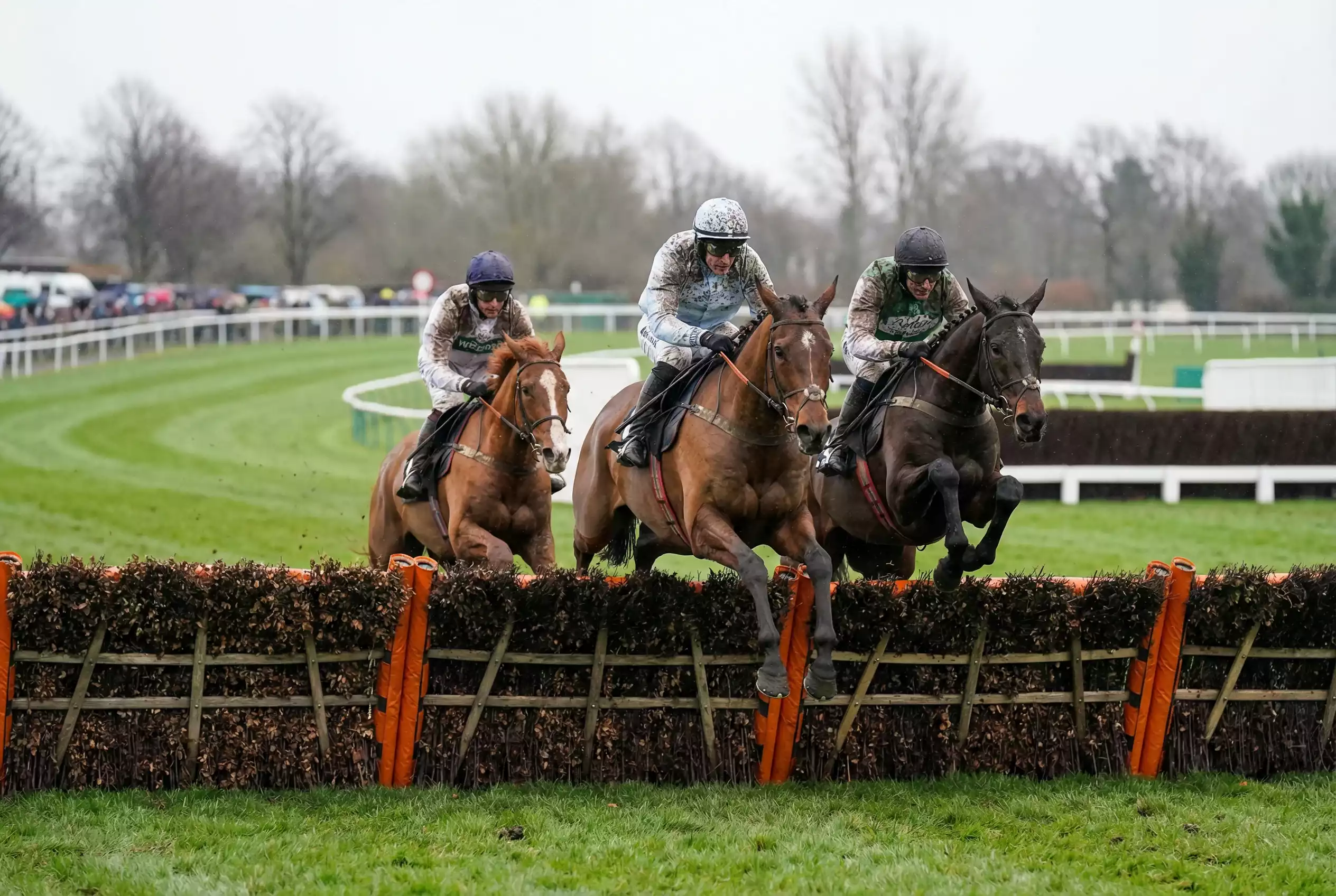
Southwell National Hunt results tell a different story from the all-weather cards that dominate the track’s calendar. The jumps programme runs on a separate turf course, under a different code, with different horses and a different set of variables driving the outcomes. While the Tapeta oval hosts fifty-plus meetings a year, the National Hunt schedule is a smaller, seasonal affair — concentrated in the spring and autumn, and shaped by ground conditions that shift from meeting to meeting in ways the all-weather surface never does. Southwell National Hunt Results — More on this topic at southwell race results.
Nationally, jump racing is under pressure. The number of horses running to a BHA performance figure of at least 130 dropped from 787 to 716 in 2024 — a nine per cent decline that continues a trend stretching back to the 2020/21 season. The supply of quality jumps horses in Britain is shrinking, and venues like Southwell that operate at the lower end of the class ladder feel the effects acutely. Smaller fields, fewer fixtures and a tighter pool of competitive runners define the current state of NH racing at this Nottinghamshire track.
That does not make the jumps results irrelevant. It makes them different — and, for those who understand the course, potentially more readable than the all-weather form that attracts the bigger crowds.
The Turf Course: Tight Turns and Stiff Fences
Southwell’s National Hunt course sits inside the all-weather oval and runs left-handed, forming a tight, essentially flat circuit of approximately a mile and a half. The bends are sharper than at most turf jumping tracks, which means horses need balance and agility more than they need the sweeping galloping stride that serves them well at, say, Newbury or Wetherby. The home straight is short — around three furlongs — which limits the amount of ground a horse can make up in the closing stages.
The fences are portable, moved into position for each meeting and removed afterwards. Despite being portable, they are widely considered stiff by industry standards. The hurdles are brush-topped and have a solid belly, which means horses cannot afford to brush through them carelessly. The At The Races course guide describes Southwell as “a superb jumping track, one of the best-maintained turf courses in Britain,” while also noting that there are no easy openings: the fences take negotiating, and sloppy jumpers get found out quickly.
The tight configuration rewards horses that travel smoothly through their races and jump fluently on the move. A horse that needs time to organise itself at each fence — the type that stands off, props and wastes momentum — will lose ground through every obstacle and may never recover it on such a short home straight. Conversely, a slick jumper that meets every fence in stride can build an advantage that proves impossible to claw back.
For trainers, Southwell’s jumps course is not the place to send a novice chaser that is still learning its trade over fences. The portable obstacles demand precision, and the tight turns demand balance. Horses that have shown jumping competence at comparable tight tracks — Plumpton, Fontwell or Fakenham, for example — tend to translate that form to Southwell more reliably than horses whose experience has been limited to galloping courses with more forgiving fences.
Hurdles vs Chases: Different Demands at Southwell
Hurdle races and chase races at Southwell test overlapping but distinct skill sets. Understanding the differences is essential for interpreting results and forming a view on future races.
Hurdle races are run over the smaller obstacles — typically at distances of two miles and two miles four furlongs. The emphasis is on speed and jumping rhythm. Because the hurdles are lower and slightly more forgiving than the chase fences, horses can afford minor errors without losing catastrophic amounts of ground. The two-mile hurdle at Southwell is essentially a speed test: the tight track means there is no room to idle, and the short home straight means that any horse not in a forward position entering the final bend is usually fighting a losing battle. Two-mile-four hurdles add a stamina element, but the speed dynamic still dominates on decent ground.
Chase races are a more physical examination. The fences are bigger, the penalties for jumping errors are greater, and the distances tend to be longer — with two miles, two miles four furlongs and three miles all regular options. At Southwell, the portable chase fences sit in similar positions to the hurdles but demand a higher level of precision. A horse that clips the top of a hurdle may lose half a length; a horse that gets the same fence wrong in a chase may lose three lengths, unseat its rider or fall altogether.
Chase results at Southwell are therefore more volatile than hurdle results. Fewer horses finish, the influence of jumping ability is magnified, and the form can be harder to interpret because a runner that was going well before falling or unseating leaves a gap in the narrative. When assessing chase form at this track, it pays to watch the replay as well as read the result: a horse that fell at the last while disputing the lead has run a very different race from one that was pulled up three fences out.
The National Hunt Flat race — the bumper — appears occasionally on Southwell cards, offering four- to six-year-old horses a chance to gain racecourse experience without jumping. These races are worth monitoring for trainer intent: a bumper runner at Southwell is typically being given a low-key introduction before being aimed at hurdles, and the identity of the yard and jockey can reveal how seriously connections rate the horse’s long-term potential.
Going and Ground: When Southwell Gets Heavy
The going on Southwell’s turf course is the single most decisive factor in jump results at this track. On good or good-to-soft ground, the emphasis is on speed and balance. Races tend to be run at a decent clip, fields stay closer together and the form often correlates well with official ratings. On soft or heavy ground, everything changes.
When the rain arrives, Southwell’s tight turf course becomes a survival test. The already-demanding fences become harder to negotiate on slower ground because horses approach them with less momentum and need to generate more jumping effort from each stride. The tight bends, manageable at pace on good ground, become slippery and exhausting when the surface is saturated. Stamina overrides speed as the primary attribute, and long-distance chases in particular can produce attritional finishes with only a handful of runners completing the course.
This ground sensitivity makes the morning going report essential reading for anyone analysing a Southwell jumps card. A shift from good-to-soft to soft can transform the complexion of every race on the programme. Horses that were confident selections on better ground may suddenly become vulnerable, while dour stayers that need testing conditions to show their best come into the equation. The going at Southwell can also change during a meeting if rain falls between races, so keeping an eye on real-time updates is not optional. See also Southwell Sprint Results.
One further consideration: because Southwell’s NH calendar is concentrated in the wetter months of the year, the ground is soft or heavy more often than not. The good-ground meetings that do occur — typically in late spring or early autumn — produce markedly faster times and different types of winners. A horse with a solid record at Southwell on heavy ground is not necessarily the same animal on good ground, and treating all Southwell NH form as interchangeable regardless of the going is a reliable way to get the analysis wrong.
